Article Archive
Older health stories that have rotated off the main feed.

Salmonella is sneaky: Watch out
If you've ever had food poisoning caused by Salmonella bacteria, you know it's unpleasant but typically goes away within two to three days. You may not know that these bacteria sicken more than a m...
Read More
CDC warns of Listeria outbreak linked to requesón/soft ricotta cheese
CDC public health news, press releases, government public health news, medical and disease news, sto
Read More
CDC Highlights Adverse Outcomes Linked to Travel-Related Cosmetic Procedures
CDC Highlights Adverse Outcomes Linked to Travel-Related Cosmetic Procedures
Read More
Update on Ebola Outbreak in the Democratic Republic of the Congo and Uganda, 5/29/2026
Update on Ebola Outbreak in the Democratic Republic of the Congo and Uganda, 5.29.2026
Read More
Enhanced Ebola Airport Screening Expands to Atlanta
CDC statement about enhanced Ebola airport screening expands to Atlanta.
Read More
Can men hold off on treating recurring prostate cancer?
What happens if PSA levels start rising after surgery or radiation for prostate cancer? Up to a third of men treated for the disease will eventually confront this problem. If there's no accompanying evidence of cancer on imaging scans, then men have what's called a biochemical recurrence.
Read More
5 timeless habits for better health
A veritable avalanche of influencers, news headlines, and well-meaning friends and family offer conflicting advice on wellness. If you're overwhelmed by fads and hype around wellness, read on.
Read More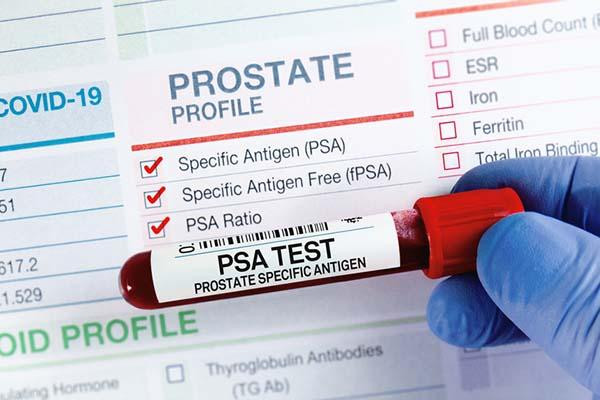
Symptoms of early-stage prostate cancer
Screening with the prostate-specific antigen (PSA) test can detect early-stage prostate cancer while it's still asymptomatic. But some men are diagnosed with prostate cancer only after symptoms appear.
Read More
How is PSA used to monitor prostate cancer?
Editor's note: second of two parts; read part one here. In the first part of our series, we described how PSA is used as a screening tool to help detect prostate cancer in men who don't have symptoms.
Read More
Extreme heat endangers older adults: What to know and do
The global rise in temperatures spawns more frequent and intense heat waves. Prolonged or extreme heat poses serious health risks for everyone but is a particular worry for older adults.
Read More
Want to cool down? 14 ideas to try
You're huffing and puffing and starting to sweat - and that's just from walking across the parking lot in blistering heat and humidity. This summer has left us all struggling to stay cool.
Read More
What is a PSA test and how is it used?
Editor's note: first of two parts; read part two here. In this two-part series, we'll describe the PSA test - how it's used, and how doctors perform next steps in the event of an abnormal reading.
Read More
Wildfires: How to cope when smoke affects air quality and health
As wildfires become more frequent due to climate change and drier conditions, more of us and more of our communities are at risk for harm. Here is information to help you prepare and protect yourself and your family.
Read More
What can magnesium do for you and how much do you need?
In the world of nutrients, minerals, vitamins, and supplements, magnesium seems to be having a moment. Perhaps it's long overdue: in many ways, magnesium has been overlooked, underappreciated, or even forgotten.
Read More
How is metastatic prostate cancer detected and treated in men over 70?
National guidelines on prostate cancer screening with the PSA test are set by the US Preventive Services Task Force (USPSTF). This independent panel of experts in preventive and primary care recommends against screening for prostate cancer in men older than 70.
Read More
Salmonellais sneaky: Watch out
Pop quiz: what is Salmonella? If you've ever had a run-in with this bacteria, you know it can cause a food-borne illness called salmonellosis, a form of food poisoning. But you may not know that Salmonella bacteria sicken an estimated 1.
Read More
Two jobs may lower the odds of dying from Alzheimer's disease - but why?
Alzheimer's disease (AD) is a devastating disease. Despite decades of research, science has not pinned down causes or discovered highly effective treatments.
Read More
How — and why — to fit more fiber and fermented food into your meals
An F may mean failure in school, but the letter earns high marks in your diet. The two biggest dietary Fs - fiber and fermented foods - are top priorities to help maintain healthy digestion, and they potentially offer much more.
Read More
Can a routine vaccine prevent dementia?
It's fairly common for a medical treatment to cause side effects: think headache, upset stomach, sleepiness, and occasionally more severe side effects. Far more rarely, a side effect provides an unexpected benefit.
Read More
Less butter, more plant oils, longer life?
Not such good news for butter lovers like myself: seesawing research on how healthy or unhealthy butter might be received a firm push from a recent Harvard study published in JAMA Internal Medicine. Drawing on decades of data gathered through long-term observational studies, the researchers investigated whether butter and plant oils affect mortality.
Read More
Healthier planet, healthier people
Everything is connected. You've probably heard that before, but it bears repeating.
Read More
Can saw palmetto treat an enlarged prostate?
Marketed as a natural remedy for an enlarged prostate, saw palmetto is a top-selling dietary supplement. It's extracted from berries that grow on saw palmetto palm trees, which are native to the southeastern United States.
Read More
Respiratory health harms often follow flooding: Taking these steps can help
Heavy rains and sea level rise contribute to major flooding events that are one effect of climate change. Surging water rushing into buildings often causes immediate harms, such as drowning deaths, injuries sustained while seeking shelter or fleeing, and hypothermia after exposure to cold waters with no shelter or heat.
Read More